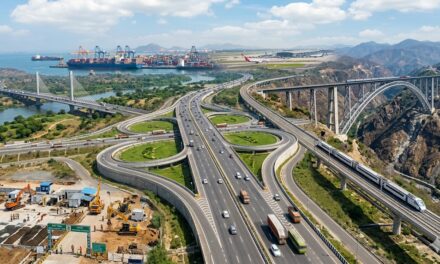
The Backbone of Modern Highways: Understanding Road Asset Inventory for NHAI
Estimated reading time: 10–13 minutes
Key Takeaways
- The National Highways Authority of India (NHAI) is crucial for managing and expanding India’s National Highways network.
- A detailed road asset inventory is the fundamental building block for effective highway management.
- Asset Lifecycle Management (ALM) for highways ensures infrastructure functions optimally and lasts longer.
- Continuous road condition monitoring and intelligent asset data management are vital for proactive maintenance and informed decision-making.
- An integrated system leads to significant benefits including cost-efficiency, enhanced safety, and sustainable infrastructure.
Table of Contents
- The Backbone of Modern Highways: Understanding Road Asset Inventory for NHAI
- Key Takeaways
- 1. The Critical Role of Road Asset Inventory for NHAI
- 2. Understanding Road Asset Inventory: The Foundation
- 3. From Inventory to Longevity: Asset Lifecycle Management for Highways
- 4. Eyes on the Road: The Importance of Road Condition Monitoring
- 5. Powering Decisions: Strategic Asset Data Management
- 6. Key Benefits of an Integrated Road Asset Management System for NHAI
- Conclusion: Paving the Way Forward for India’s Highways
- Frequently Asked Questions
- References
The National Highways Authority of India (NHAI) plays a super important part in our country. They are like the master builders and caretakers for all the big roads that connect our cities and towns. These roads, called National Highways, are super important for India’s growth and for people to travel easily. They help businesses move goods and people visit different places.
With more and more roads being built and more cars driving on them every day, it’s very important to manage these roads well. This is where something called a road asset inventory NHAI comes in. Think of it as a super-detailed map and list of everything NHAI owns on these roads. It’s like a special record book for all the highway parts.
Having a strong and clear road asset inventory is the basic building block for planning, fixing, and looking after these roads for their whole life. This is also called asset lifecycle management for highways.
This blog post will help us understand how NHAI uses a complete system. This system includes the road asset inventory NHAI, how they manage assets through their whole life (asset lifecycle management highways), how they check the roads (road condition monitoring), and how they keep track of all the information (asset data management). All these parts work together to make sure India has excellent roads.
1. The Critical Role of Road Asset Inventory for NHAI
When we talk about road assets for NHAI, we mean all the different parts that make up a highway. It’s not just the road surface itself. There are many other things that NHAI looks after.
Let’s list some of these important road assets:
- Pavements: These are the surfaces cars drive on. They can be flexible (like asphalt or “tar roads”) or rigid (like concrete roads).
- Bridges: These help us cross over rivers, valleys, or other roads.
- Culverts: These are like small tunnels or pipes that let water flow under the road.
- Flyovers: These are roads that go over other roads to avoid traffic jams.
- Tunnels: These help roads go through mountains or under cities.
- Road Furniture: This includes all the helpful things on the side of the road, like:
- Signages: Road signs that tell you where to go or how fast to drive.
- Crash Barriers: Fences or walls that stop vehicles from leaving the road in an accident.
- Delineators: Small posts or reflectors that show the edge of the road, especially at night.
- Lighting Systems: Streetlights that make roads safe at night.
- Drainage Structures: Systems like drains and channels that take away rainwater from the road.
- Land Parcels: The actual land that the highway is built on.
- Rest Areas: Places where drivers can stop, rest, and use facilities.
- Toll Plazas: Places where drivers pay a fee to use certain parts of the highway.
- Intelligent Transport System (ITS) components: These are smart technologies like cameras, sensors, and electronic message boards that help manage traffic.
A complete road asset inventory for NHAI means finding, listing, and writing down detailed information about every single one of these items. This happens for the entire network of National Highways. It’s like NHAI has a giant checklist for everything they own and manage.
This inventory is not just a simple list that stays the same forever. It is a dynamic database. This means it gets updated all the time. It gives NHAI a clear and up-to-date picture of the entire road network. Imagine it like a live map showing everything.
This detailed list is the very first and most important step. It helps NHAI make all the other decisions about looking after the roads. It helps greatly with a full asset lifecycle management for highways. By knowing exactly what they have, where it is, and what condition it’s in, NHAI can make smart choices about future plans and actions. This inventory, or collection of highway assets, is vital.
2. Understanding Road Asset Inventory: The Foundation
A road asset inventory is a detailed and complete record of every single physical part of a highway network. Think of it as a comprehensive book that lists all the elements that make up our roads, from the asphalt we drive on to the smallest road sign. For NHAI, this record includes not just what the assets are, but also where they are and how old they are. This detailed listing of highway assets is crucial.
NHAI collects a lot of different types of information for each asset. This data helps them understand and manage everything better.
Here are the types of data collected for each asset:
-
Geospatial Data: This tells us exactly where an asset is located.
- It uses GPS coordinates, which are like exact addresses on a map.
- It also includes information about the road’s alignment (how it curves or goes straight) and chainage (how far along a road section an asset is, like a specific kilometer marker).
-
Physical Attributes: This describes what the asset is and how it’s built.
- It includes the type of asset, like a concrete pavement or a steel bridge.
- It lists dimensions such as length, width, and height.
- It details the materials used to build it.
- It records the date it was built and its original design plans.
-
Operational Data: This tells us how the asset is used.
- It includes how many vehicles use that part of the road (traffic volumes).
- It notes the speed limits in place.
- It describes the number of lanes available for driving (lane configurations).
-
Administrative Data: This covers the management and history of the asset.
- Every asset gets a unique ID number.
- It includes who owns it (NHAI, in this case).
- It details contract information, if a private company built or maintains it.
- It records the last time the asset was checked or inspected.
- It even includes warranty periods, if parts are still under guarantee.
This very detailed inventory is incredibly important. It gives NHAI a clear picture of its many holdings.
Here’s why this detailed inventory is so important for NHAI:
-
Understand the Scale and Scope: It helps NHAI know exactly how much they own and manage. Imagine trying to run a huge company without knowing what buildings or equipment you have! This inventory provides that foundational knowledge.
-
Facilitate Informed Decision-Making: By having this baseline data, NHAI can make smart choices. They can decide which road parts need fixing first, plan for major repairs, and figure out how to spend their money wisely. It helps in the prioritization of highway repairs and upgrades.
-
Enhance Accountability and Transparency: This inventory creates a clear record of everything. This means everyone can see what’s there and what condition it’s in. It helps NHAI be responsible and open about its work. This verifiable record of assets is key.
NHAI is also using new and smart technologies more and more to build and keep this inventory up-to-date. They use systems like Geographic Information Systems (GIS). GIS links all the asset data directly to precise locations on a digital map. Imagine looking at a map and seeing not just the road, but also all the bridges, signs, and their details right there. This makes it much easier to see and understand the information. They also use mobile mapping systems, which can collect data quickly as a vehicle drives along the highway.
These advanced methods confirm NHAI’s commitment to modern asset management. According to NHAI’s official reports and the Ministry of Road Transport and Highways (MoRTH) policy documents, these technologies are becoming central to their operations. This approach ensures a thorough road asset inventory NHAI.
3. From Inventory to Longevity: Asset Lifecycle Management for Highways
Asset Lifecycle Management (ALM) for highways is a complete way of looking after our road infrastructure. It starts from when an idea for a road or bridge is first thought of, all the way to when it might be taken down or replaced. The main goal of ALM is to make sure these roads and bridges work their best, cost the right amount of money, and last a long, long time. It focuses on the longevity of every highway component.
The very first step, the road asset inventory NHAI, is like the main ingredient. It feeds into and helps guide every single stage of this asset’s life. This detailed list of highway infrastructure is critical.
Let’s look at how the inventory helps at each stage:
-
Planning and Acquisition:
- The inventory helps NHAI see what roads or bridges are missing or needed.
- It helps them decide which new constructions are most important.
- By knowing what they already have and its condition, they can make better plans for new designs and future needs. For instance, if the inventory shows a certain area needs a new bridge, they can plan for it.
-
Operation and Maintenance (O&M):
- This is the stage where the inventory is used most often.
- It gives NHAI a baseline, or starting point, for scheduling regular check-ups and repairs.
- It helps identify exactly which assets need to be looked at or fixed right away.
- It keeps track of all the repairs and changes that have happened in the past, giving a history for each asset. This is like a health record for the road.
-
Rehabilitation and Renewal:
- Eventually, roads and bridges get old and worn out. When an asset is nearing the end of its useful life, or needs big improvements, the inventory data is combined with information from condition checks.
- This guides decisions about major fixes, adding new layers to the road (overlays), making structures stronger, or even rebuilding entire sections. It’s about giving old assets a new life.
-
Disposal (if applicable):
- While we don’t often “dispose” of entire highways, some smaller assets might be removed or replaced.
- The inventory keeps a record of these assets, making sure everything is properly documented if something is decommissioned or swapped out for a new one.
Using a proactive approach, which means planning ahead, makes a big difference. This lifecycle method relies heavily on having accurate inventory data. It allows NHAI to change from simply “fixing things when they break” (which is reactive) to planning ahead and preventing problems before they get big (which is predictive). This planned, predictive intervention saves a lot of trouble.
This way of working brings many important benefits:
-
Cost-Efficiency: Fixing small problems early is much cheaper than waiting for them to become huge, expensive repairs.
-
Extended Asset Lifespan: Roads and bridges last much longer when they are looked after regularly and smartly. This maximizes the service life of highway elements.
-
Improved Safety: Well-maintained roads are safer roads for everyone who drives or walks on them.
-
Reduced Disruptions: Planned maintenance causes less unexpected closing of roads, making travel smoother for everyone.
NHAI’s official reports and studies by experts like PwC India highlight these important benefits. They show that managing highway assets proactively leads to better, safer, and more affordable infrastructure for everyone. This reinforces the value of managing the asset lifecycle management highways.
4. Eyes on the Road: The Importance of Road Condition Monitoring
While a road asset inventory NHAI tells us what assets we have and where they are, road condition monitoring tells us how good those assets are and how they are changing. It’s like getting a regular health check-up for all the parts of the highway. This ongoing check helps identify if a road or bridge is getting worn out.
Road condition monitoring is the continuous process of checking the physical state and how well highway parts are working. This helps NHAI find any wear and tear and predict when repairs might be needed. It’s about keeping a dynamic eye on the highway infrastructure.
Think of it this way: the inventory is a snapshot, a picture taken at one moment. Condition monitoring is like a video, showing how the picture changes over time. It gives us dynamic updates on the health of each asset.
NHAI uses many different ways and technologies to keep an eye on road conditions:
-
Pavement Condition Surveys: These checks focus on the road surface itself.
- Automated Systems: Special vehicles with high-tech equipment drive along the roads.
- Falling Weight Deflectometers (FWD): These machines drop a weight to test how strong the road structure is.
- Laser Profilometers: These use lasers to measure how smooth the road is and find bumps or dips.
- Roughness Measuring Systems (e.g., International Roughness Index – IRI): These systems measure how bumpy the ride feels. They also look for surface problems like cracks, potholes, and ruts (grooves formed by wheels).
- Automated Systems: Special vehicles with high-tech equipment drive along the roads.
-
Bridge Health Monitoring Systems: Bridges need special care because they are complex structures.
- Non-Destructive Testing (NDT) techniques: These are ways to check the bridge without damaging it, like using ultrasound or radar.
- Sensor Networks: Tiny sensors are placed on bridges to measure things like how much they bend (strain), how much they shake (vibration), and even temperature changes.
- Detailed Visual Inspections: Engineers also visually inspect bridges very closely, looking for cracks, rust, or any signs of weakness in the structure.
-
Drone Surveys and Satellite Imagery: For looking at big areas quickly and without costing too much money.
- Drones fly over the roads to take high-resolution pictures, which can spot problems on the surface.
- Satellite pictures can help identify if people are building too close to the highway (encroachment), check how construction is going, and find bigger defects or changes over time.
-
Manual Visual Inspections: Even with all the technology, human eyes are still very important.
- People walk along sections of the road or climb under bridges to check for specific, localized issues.
- They also help confirm what the automated systems are reporting.
This road condition monitoring creates a very important loop of information. Data from these checks is constantly sent back to update the road asset inventory NHAI. This updates the status of each asset, its condition rating (e.g., good, fair, poor), and flags any assets that need immediate attention or planned repairs. This dynamic updating of highway asset condition is invaluable.
This continuous flow of information means the inventory stays current and useful. It helps NHAI act fast, preventing small problems from becoming big, expensive repairs. It also helps them plan maintenance at the best time, saving money and keeping roads safer. MoRTH policy documents and news reports like those from Economic Times show how NHAI is using more advanced monitoring methods.
5. Powering Decisions: Strategic Asset Data Management
Imagine having a huge amount of information – lists of assets, their conditions, repair histories. If this information is scattered everywhere and hard to understand, it’s not very useful. This is where asset data management comes in. It’s the super important process that brings all the pieces together. It involves collecting, storing, making sense of, analyzing, and sharing all the information that comes from the initial asset list, the ongoing condition checks, and all the repair work. This systematic management of highway data is crucial.
Effective asset data management for NHAI usually depends on a few key things:
-
Centralized Databases: All the information about assets is brought together and kept in one big, easily accessible place. This means everyone who needs to see the data can find it easily, and it’s always the most up-to-date version. This common repository for highway asset information ensures consistency.
-
Geographic Information Systems (GIS): These are powerful computer systems that link where things are (spatial data) with what they are (attribute data, like asset details and conditions).
- Imagine a digital map where you can click on any road section, bridge, or sign, and immediately see all its details – its age, last inspection date, and even repair history.
- GIS is crucial for planning because it helps NHAI see the bigger picture, like where problem areas are clustered across the entire road network. It allows visual analysis of highway infrastructure.
-
Specialized Asset Management Systems (AMS): These are special computer programs designed just for managing infrastructure assets.
- They make it easy to put in new data, analyze the existing data, create work orders for repairs, and keep track of how well assets are performing.
- These systems help automate many tasks that would otherwise take a lot of time.
-
Data Analytics and Artificial Intelligence (AI)/Machine Learning (ML): NHAI is increasingly looking at these advanced tools to get even smarter.
- Data Analytics: Helps find patterns in the data, like noticing that bridges of a certain age in a certain climate start needing similar repairs.
- AI/ML: These smart computer programs can learn from past data. They can predict when an asset might break down in the future. They can also suggest the best maintenance strategies, saving money and extending asset life. Some can even automatically spot defects in road pictures taken by drones.
Good asset data management makes sure that all the information is correct, consistent across all records, and easy to get to. This helps NHAI move past just looking at what happened in the past. It allows them to use predictive analytics (guessing what will happen) and make smart, strategic decisions for asset lifecycle management highways. This is a powerful shift in highway management.
This advanced approach allows NHAI to:
-
Scenario Planning: They can test different ideas, like “What if we repair this section now versus waiting five years?” and see the likely outcome.
-
Impact Assessment: They can understand what will happen if they invest money in one area compared to another.
-
Performance Benchmarking: They can compare how well their roads are doing against targets or other countries’ standards.
NHAI’s commitment to advanced data management and analytics is clear in their official reports and from news sources like Business Standard. These initiatives ensure that NHAI has the best tools to manage India’s extensive highway network.
6. Key Benefits of an Integrated Road Asset Management System for NHAI
We’ve talked about a lot of different parts: listing all the assets (the road asset inventory NHAI), looking after them their whole life (comprehensive asset lifecycle management highways), checking their health regularly (diligent road condition monitoring), and managing all the information smartly (intelligent asset data management). When all these parts work together, like a well-oiled machine, NHAI gets huge advantages. This integrated system for highway asset management transforms operations.
Here are the main benefits that NHAI gets from this combined approach:
-
Optimized Resource Allocation and Budget Planning:
- Instead of guessing, NHAI uses real information to decide where to spend money.
- This means funds are put into projects that will give the best results, like fixing roads that are most important or need it most.
- It helps prioritize critical repairs and necessary maintenance, ensuring financial efficiency.
-
Extended Lifespan of Assets:
- By checking roads and bridges regularly and fixing small problems early, NHAI can stop bigger problems from happening.
- This proactive approach makes sure pavements, bridges, and other structures last much longer than they would otherwise. It prevents premature failures.
-
Enhanced Road Safety and User Experience:
- Well-looked-after highways have fewer potholes, clearer signs, and stronger bridges.
- This makes roads safer for everyone, reduces the chances of accidents, and makes driving more comfortable and smooth. This improves the overall highway experience.
-
Improved Accountability and Transparency:
- Having clear records of what condition assets are in, what maintenance has been done, and how money was spent means NHAI is more open about its work.
- This builds trust with the public and helps NHAI manage its own operations better. This verifiable record enhances public confidence.
-
Better Compliance with Standards and Regulations:
- The integrated system helps NHAI make sure all its roads and bridges meet the strict quality and safety rules set by India and even global standards.
- This means the highway network consistently adheres to quality and safety benchmarks.
-
Proactive rather than Reactive Maintenance Strategies:
- Instead of waiting for a road to completely break down and then rushing to fix it (which is reactive and often expensive), NHAI can plan repairs ahead of time.
- This planned, preventive maintenance is usually cheaper, causes fewer disruptions for drivers, and is generally more efficient.
-
Support for Sustainable Infrastructure:
- By keeping roads and bridges in good condition for longer, NHAI doesn’t have to use as many new materials as often.
- This uses resources more wisely, reduces waste, and helps meet long-term environmental goals, making the infrastructure more eco-friendly.
All these benefits show how important a well-managed system is. The combined power of a strong road asset inventory NHAI, effective asset lifecycle management highways, careful road condition monitoring, and smart asset data management creates a superior highway network.
Conclusion: Paving the Way Forward for India’s Highways
In our fast-growing country, where new roads are always being built, having a super strong road asset inventory NHAI is absolutely essential. It’s the starting point for everything. When this detailed list is combined with how NHAI manages assets through their whole life (asset lifecycle management highways), how they carefully check road conditions (road condition monitoring), and how they smartly handle all the information (asset data management), it creates a powerful system. This system is crucial for building and keeping world-class highways in India.
These combined practices help NHAI manage its huge network of roads much more smoothly and effectively. They make sure the roads are safer for everyone, offer a better experience for drivers and travelers, and are built and maintained in a way that protects our planet for the future. They enhance safety standards and user satisfaction.
Looking ahead, NHAI will keep getting even smarter. They are always adopting new and advanced technologies like Artificial Intelligence (AI), the Internet of Things (IoT) – where everyday objects are connected to the internet – and high-resolution mapping. These new tools will give NHAI even more power to create smarter highway management systems. This will help pave the way for an India that is even more connected and prosperous, with roads that are truly future-ready.
Frequently Asked Questions
-
What is a Road Asset Inventory for NHAI?
A Road Asset Inventory for NHAI is a comprehensive, detailed record of all physical components of the National Highway network. This includes everything from pavements, bridges, culverts, and tunnels to road furniture, lighting systems, and intelligent transport system components. It documents what the assets are, where they are located, their physical attributes, operational data, and administrative history.
-
How does Road Condition Monitoring help NHAI?
Road Condition Monitoring provides NHAI with dynamic updates on the physical state and performance of highway assets. By using technologies like FWD, laser profilometers, sensor networks on bridges, and drone surveys, NHAI can identify wear and tear, predict when repairs might be needed, and proactively plan maintenance. This helps prevent minor issues from escalating into costly major repairs and extends the lifespan of the infrastructure.
-
What are the key benefits of an integrated Road Asset Management System for NHAI?
An integrated system, combining asset inventory, lifecycle management, condition monitoring, and data management, offers numerous benefits. These include optimized resource allocation and budget planning, extended lifespan of assets, enhanced road safety and user experience, improved accountability and transparency, better compliance with standards, a shift to proactive maintenance strategies, and support for sustainable infrastructure development.
-
How is technology transforming asset management for NHAI?
NHAI is leveraging advanced technologies such as Geographic Information Systems (GIS), specialized Asset Management Systems (AMS), Data Analytics, Artificial Intelligence (AI), and the Internet of Things (IoT). These tools enable NHAI to centralize data, visualize assets spatially, automate management tasks, predict future asset performance, and make smarter, data-driven decisions for strategic asset lifecycle management.
References:
- NHAI Official Reports: Relevant NHAI Report/Policy on Asset Management
- Ministry of Road Transport and Highways (MoRTH) Publications: Relevant MoRTH Guideline/Report for Highway Maintenance and Asset Management
- PwC India: Relevant PwC Report on Infrastructure Development and Asset Management in India
- Economic Times: Relevant News Article from Economic Times reporting on NHAI’s technological adoptions or maintenance budget
- Business Standard: Relevant News Article from Business Standard reporting on NHAI’s digital or AI initiatives