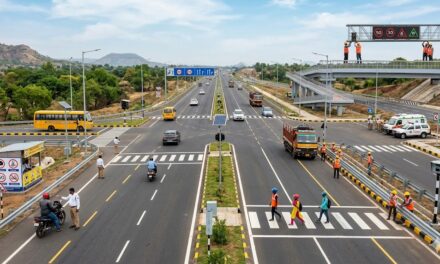
Mastering Utility Management Highway: A Deep Dive into NHAI’s Strategies for Seamless Infrastructure
Estimated reading time: 8–12 minutes
Key Takeaways
- Effective utility management highway is critical for the timely and cost-efficient completion of modern road projects, especially in India’s rapid infrastructure growth.
- Poor utility management is a leading cause of project delays and cost overruns, emphasizing the need for NHAI’s strategic approach.
- NHAI’s comprehensive strategy involves detailed utility planning (surveys, mapping, early engagement), ongoing utility coordination among stakeholders, and precise utility shifting, relocation, and clearance.
- Advanced technologies like GIS, BIM, and Subsurface Utility Engineering (SUE) are increasingly leveraged by NHAI to improve accuracy and prevent clashes.
- The adoption of Common Utility Corridors (CUC) represents a forward-thinking strategy for future-proofing highway infrastructure and simplifying maintenance.
Table of Contents
- Mastering Utility Management Highway: A Deep Dive into NHAI’s Strategies for Seamless Infrastructure
- Navigating the Complexities of Utility Management in Highway Projects
- Understanding the Underlying Network: The Intricate Utility Infrastructure on Highways
- The Foundation of Success: Strategic Utility Planning for NHAI Highway Projects
- Bridging the Gaps: Effective Utility Coordination in Highway Development
- Executing the Change: Utility Shifting, Relocation, and Clearance for NHAI Projects
- Best Practices and Strategies for Optimal Utility Management on Highways
- Conclusion: Paving the Way for Seamless Highway Development with Effective Utility Management
- Frequently Asked Questions
Navigating the Complexities of Utility Management in Highway Projects
Utility management highway is a vital, yet often overlooked, part of building modern roads. It involves carefully planning, working together, and doing the actual work related to existing and new utility lines. These lines include things like gas pipes, water pipes, power cables, and phone lines. They run either inside or right next to the areas where highways are built.
In India, where new roads are being built very fast, especially by the National Highways Authority of India (NHAI), this management is becoming more and more important. Good utility management highway is essential. It helps make sure projects run smoothly, keeps workers safe, and ensures roads are finished on time. This directly helps India’s economy grow and makes life easier for everyone.
It’s important to know that poor utility management highway is a big reason why road projects get delayed and cost more money than planned. These issues can set back important work significantly.
Poor utility management is a leading cause of project delays and cost overruns.
Source: Ministry of Road Transport & Highways reports, various industry analyses
This blog post will explore the key steps taken by NHAI to manage utilities effectively. We will look closely at utility planning NHAI, utility coordination highway, utility shifting NHAI, utility relocation highway, and utility clearance NHAI to understand how successful highway projects are built.
Understanding the Underlying Network: The Intricate Utility Infrastructure on Highways
The term utility infrastructure highway refers to the complex web of services that run across or alongside our roads. Think of it as the hidden arteries and nerves of our modern world. These systems provide essential services to homes, businesses, and communities.
Here are the common parts of this dense utility infrastructure highway:
- Water Supply Lines: These are the pipes that carry clean drinking water from treatment plants to cities and towns. They can be large main lines or smaller distribution pipes.
- Sewerage and Drainage Lines: These systems handle wastewater from homes and businesses, carrying it away for treatment. They also manage stormwater to prevent flooding on and near roads.
- Gas Pipelines: These pipes transport natural gas, used for cooking, heating, and power generation, often under high pressure.
- Electricity Cables: This includes power lines seen overhead on poles, as well as thick cables buried underground. They are crucial for delivering electricity.
- Telecommunication Lines: These carry internet, phone, and TV signals. They often use advanced optic fiber cables or traditional copper wires, along with towers for mobile networks.
- Other Services: Sometimes, you might find specialized pipes for oil or other industrial materials running alongside or beneath highways.
This existing embedded utility infrastructure highway creates significant hurdles for new highway construction or expansion projects. Building new roads often means working around or through these established networks.
Challenges include unknown locations (many older utilities are poorly mapped or completely undocumented), conflicting alignments (new road designs often clash with existing utility paths), safety risks (damaging live utilities can lead to severe accidents, service disruptions, and environmental hazards), legal & ownership complexities (multiple utility owners with varying interests and legal rights), and environmental concerns (disturbance of utilities can lead to ecological impacts).
Source: The Economic Times, Business Standard, NHAI official guidelines
Locating these hidden systems accurately is the first big challenge. Then comes the complex task of designing a new road without disturbing these critical services, or planning how to move them safely if needed.
The Foundation of Success: Strategic Utility Planning for NHAI Highway Projects
Effective utility planning NHAI is the bedrock upon which successful highway projects are built. This crucial work begins very early, even before the actual construction starts, usually during the Detailed Project Report (DPR) stage. Good planning helps avoid costly surprises later on.
Here are the key steps involved in thorough utility planning NHAI:
- Comprehensive Surveys & Identification: This first step is all about finding out exactly where utilities are located. Advanced tools are used, such as Ground Penetrating Radar (GPR), which can “see” objects under the ground without digging. Electromagnetic (EM) surveys also help detect buried cables and pipes. Drone mapping provides aerial views and helps in identifying overhead lines. All this information, along with checking old records, helps create a detailed “utility matrix” – a comprehensive list and map of all utilities. This early detection of subsurface utilities and overhead utilities prevents unexpected clashes.
- Mapping and Documentation: Once utilities are identified, their exact locations are added to digital maps. This often uses Geographic Information Systems (GIS), which are like smart digital maps, and Building Information Modeling (BIM) platforms, which create 3D models. These tools help create a precise, geo-referenced map that shows where every pipe, cable, and pole is in relation to the proposed highway. This visual representation is crucial for understanding the existing utility landscape.
- Feasibility Studies: Before final designs are made, studies are done to see if the planned highway route will conflict with existing utilities. If conflicts are found, the highway design might be adjusted to avoid moving too many utilities, thereby reducing the need for extensive utility shifting NHAI or utility relocation highway. This proactive approach saves time and money.
- Early Stakeholder Engagement: A very important part of utility planning NHAI is talking to all the utility owners from the very beginning. This includes state electricity boards, municipal water departments, private telecom companies, and gas pipeline operators. NHAI often requires this engagement during the DPR stage. This ensures that the utility owners’ needs, plans, and timelines are understood and included in the overall highway project plan. Early communication fosters a cooperative environment.
- Cost Estimation: As part of the planning, an estimate is made of how much it will cost to move or adjust utilities. This estimation for utility shifting NHAI or utility relocation highway is then added to the total budget for the highway project. Accurate cost forecasting is essential for financial management.
Effective utility planning starts with comprehensive surveys using tools like GPR, EM surveys, and drone mapping, integrating data into GIS and BIM for precise mapping. Early stakeholder engagement with utility owners is mandated by NHAI from the DPR stage.
Source: NHAI Manuals for DPR Preparation, Industry Best Practices for Infrastructure Planning
Through these careful planning steps, NHAI aims to lay a solid foundation, ensuring that the movement and management of essential services are thought out well in advance, minimizing disruptions and maximizing project efficiency.
Bridging the Gaps: Effective Utility Coordination in Highway Development
Utility coordination highway is an ongoing process of working together and talking regularly among all the different groups involved in a highway project. This teamwork happens from the start of the project right through to its completion. Effective coordination prevents misunderstandings and keeps everything on track.
The main groups involved in successful utility coordination highway include:
- NHAI/Project Authority: As the main owner of the highway project, NHAI plays a key role in bringing everyone together. They often help lead discussions and resolve issues. They are responsible for the overall infrastructure management.
- Utility Owners: These are the companies or government departments that own, maintain, and operate the gas lines, water pipes, power cables, and telecom networks. They have a direct interest in ensuring their services continue without interruption.
- Contractors: These are the construction companies hired to build the highway. They need clear information about utilities to plan their work safely and efficiently.
- Local Government Bodies: These include local councils, district administrations, and other agencies that might need to give permissions or clearances for utility work. They ensure local regulations are followed.
To make utility coordination highway work well, several best practices are followed:
- Dedicated Utility Coordination Teams: Some projects have special teams or experts whose only job is to manage utilities. These teams act as a central point of contact and help smooth out communication and workflow. They are specialists in utility conflict resolution.
- Regular Review Meetings: Structured meetings are held often with all the groups involved. In these meetings, they check progress, talk about any problems, and find ways to fix disagreements. This helps keep everyone informed and aligned.
- Information Sharing Protocols: Clear rules are set up for how information is shared. This includes specific ways to exchange utility maps, plans for the new highway, and timelines. NHAI particularly encourages digital data exchange to ensure accuracy and speed. This ensures everyone is working with the most current information.
- Conflict Resolution Mechanisms: Sometimes, disagreements arise about how to move utilities, how much it will cost, or when it should happen. Having a clear process to sort out these disagreements helps prevent delays and ensures fair solutions. These dispute resolution procedures are crucial for maintaining momentum.
- Memoranda of Understanding (MoUs): These are formal written agreements between NHAI and the utility owners. They clearly spell out who is responsible for what, what work needs to be done, and how the costs will be handled. These agreements provide a legal framework for cooperation and clarify financial arrangements.
Best practices for utility coordination include dedicated teams, regular review meetings, clear information sharing protocols (NHAI emphasizes digital data), defined conflict resolution mechanisms, and formal MoUs between NHAI and utility owners.
Source: NHAI Circulars on Utility Shifting, reports by FICCI and CII on infrastructure challenges
By focusing on these coordination strategies, highway projects can manage the intricate relationship between new construction and existing utility networks more effectively, leading to smoother execution and fewer hurdles.
Executing the Change: Utility Shifting, Relocation, and Clearance for NHAI Projects
This section focuses on the hands-on work involved in managing utilities once construction begins. It covers how existing services are moved or adjusted to make way for the new highway.
Utility Shifting NHAI
Utility shifting NHAI usually means making small, temporary changes or adjustments to utilities. The goal is to move them just enough to allow construction work to happen without permanently taking them out of service or moving them far.
For example, this might involve:
- Temporarily suspending overhead power lines to create enough space for large construction vehicles or cranes to pass safely.
- Slightly adjusting a water pipe’s path to avoid a new foundation, then moving it back or securing it in its new, slightly altered position.
This type of adjustment is often quicker and less expensive than a full relocation. It’s a tactical move to clear immediate obstacles.
Utility Relocation Highway
Utility relocation highway is a much bigger and more permanent process. It involves moving an entire utility line, such as a major gas pipeline or a high-voltage electricity transmission line, from its current path to a completely new, designated corridor. This is done when a utility directly obstructs the permanent highway alignment.
Requirements for a full utility relocation highway are extensive:
- New Engineering Design: Engineers must design an entirely new path for the utility. This includes planning the new route, how trenches will be dug, and how the new line will connect back to the existing network.
- Land Acquisition/Easements: New land or legal rights (called easements) might need to be obtained to lay the relocated utility lines. This ensures the utility has permanent access to its new path.
- Construction of New Lines: This involves the physical work of digging new trenches, laying new pipes or cables, or erecting new poles and towers for power lines. It’s essentially building a new utility system.
- Commissioning: Once the new utility line is built, it must be thoroughly tested and brought into service. Only after the new line is fully operational and verified can the old utility line be safely taken out of service (decommissioned). This ensures uninterrupted service. NHAI often bears the cost for relocation of public utilities, while private utility owners (e.g., telecom) may bear their own costs, subject to existing policies and agreements.
Utility Clearance NHAI
Utility clearance NHAI is the final goal of all these efforts. It means ensuring that a specific construction area is completely free of any utility obstructions. Once a section has utility clearance NHAI, the highway contractor can work there without any hindrance.
Achieving this often involves a combination of both utility shifting NHAI and utility relocation highway. After the physical movements are done, a thorough verification process confirms that the area is clear and safe for highway construction. This vital step is often certified to protect both workers and the integrity of existing infrastructure.
Even with careful planning, common challenges often arise during these execution phases:
Common challenges include unexpected site conditions (discovery of undocumented utilities, rock formations, unsuitable soil), technical difficulties (complex engineering in dense areas, specialized equipment, unforeseen issues with old infrastructure), regulatory approvals (lengthy processes from multiple authorities, bureaucratic delays), resource constraints of utility owners (lack of manpower, budget, or specialized equipment), and significant safety concerns (managing live utilities requires stringent protocols).
Source: Livemint, Construction World, NHAI Project Reports
Addressing these challenges effectively requires agility, strong technical expertise, and ongoing collaboration to keep the project moving forward safely and efficiently.
Best Practices and Strategies for Optimal Utility Management on Highways
To overcome the challenges often faced in utility projects, NHAI and its partners are increasingly adopting several best practices. These strategies aim for comprehensive utility management highway, making the process smoother and more efficient.
Leveraging Advanced Technologies
Modern technology plays a huge role in making utility management highway more accurate and less prone to errors.
- GIS (Geographic Information Systems): These systems are powerful tools for mapping, storing, and analyzing geographical data. For utilities, GIS helps integrate data from various surveys into one comprehensive map, showing where every utility line is located. This visual representation allows for better decision-making and better planning of infrastructure.
- BIM (Building Information Modeling): BIM creates 3D digital models of proposed highway infrastructure. When utility data is added to these models, it allows engineers to identify potential clashes between the new highway design and existing utilities before construction starts. This “clash detection” enables proactive design modifications, saving significant time and money. NHAI is increasingly mandating BIM for large projects, recognizing its value in construction planning and asset management.
- Subsurface Utility Engineering (SUE): SUE is a systematic approach to accurately locating and mapping subsurface utilities. It uses various non-destructive technologies, like GPR and electromagnetic induction, to determine both the horizontal (side-to-side) and vertical (depth) positions of buried pipes and cables. This detailed understanding of underground assets greatly reduces the risk of accidental strikes during excavation.
Robust Risk Assessment and Contingency Planning
Identifying potential problems early is key. This involves:
- Identifying High-Risk Zones: Pinpointing areas where many utilities cross or run close to the highway, or where old, poorly documented utilities are likely.
- Developing Detailed Contingency Plans: Creating specific plans for what to do if unexpected utilities are found, or if there are delays in utility shifting NHAI or utility relocation highway.
- Allocating Buffer Time: Building extra time into project schedules specifically for utility-related work to account for unforeseen issues. This flexible scheduling helps absorb minor delays.
Ensuring Compliance
Strict adherence to rules and standards is non-negotiable for utility management highway.
- Environmental Regulations: Following laws to protect the environment during excavation and utility work.
- Safety Standards: Strictly following safety rules, especially for excavation safety and working near live electrical lines. This includes protocols to protect workers and the public.
- Quality Control: Ensuring all utility work, from planning to installation, meets high-quality standards. Quality Control is vital for long-term project integrity.
Dedicated Project Management and Utility Coordination Teams
Having the right people in place is critical.
- Experienced Project Managers: Appointing managers who understand the complexities of utility interfaces and can navigate discussions with various utility owners.
- Dedicated Teams: Setting up specific teams whose job is to continuously talk with utility owners, monitor progress, and ensure utility clearance NHAI is achieved on schedule. These specialized teams are essential for smooth utility coordination highway.
Development of Common Utility Corridors (CUC)
This is a forward-thinking, long-term strategy promoted by the Ministry of Road Transport & Highways (MoRTH) and NHAI.
- Dedicated Corridors: Creating specific, well-defined areas alongside new highways where multiple utilities (water, gas, electricity, telecom) can be laid together.
- Reducing Future Conflicts: This strategic utility planning helps prevent future clashes between new road construction and utilities, as all services are in a known, managed location.
- Simplifying Maintenance and Access: Makes it easier and safer to maintain or access utilities in the future, reducing disruption to the highway itself. This vision of shared utility corridors represents a significant advancement in infrastructure management.
Key strategies include leveraging GIS, BIM (increasingly mandated by NHAI), and SUE; robust risk assessment; strict compliance with environmental and safety standards; dedicated project management teams; and the development of Common Utility Corridors (promoted by MoRTH/NHAI).
Source: Ministry of Road Transport & Highways policies, Infrastructure Today, PwC reports on infrastructure
By implementing these best practices, NHAI aims to streamline the complex processes of managing utilities, ensuring that India’s highway development proceeds efficiently and safely.
Conclusion: Paving the Way for Seamless Highway Development with Effective Utility Management
The rapid growth of India’s highway network relies heavily on a smart and coordinated approach to utility management highway. It’s clear that careful planning, effective coordination, and efficient execution are not just helpful, but absolutely vital for success.
We’ve explored how a proactive strategy involves meticulous utility planning NHAI, ensuring every pipe and cable is accounted for from the earliest stages. Then, continuous utility coordination highway brings together all stakeholders, from NHAI to utility owners and contractors, fostering teamwork and clear communication. Finally, the practical work of utility shifting NHAI, utility relocation highway, and achieving complete utility clearance NHAI is where these plans come to life.
Embracing early and accurate mapping using advanced tools, fostering strong collaboration between different agencies, utilizing modern technologies like GIS and BIM, and deploying dedicated management teams are all essential. These efforts mitigate risks, significantly minimize project delays, and avoid costly rework, ensuring that infrastructure development proceeds smoothly.
Ultimately, robust utility management highway does more than just ensure the timely and cost-efficient completion of infrastructure projects. It also contributes to the long-term operational safety of our roads, guarantees the continuity of essential public services, and builds the overall resilience of the nation’s vital road network. By mastering utility management, NHAI is truly paving the way for a more connected and efficient India.
Frequently Asked Questions
-
What is utility management in highway projects and why is it crucial?
Utility management in highway projects involves the strategic planning, coordination, and execution related to existing and new utility lines (like gas, water, power, and telecom) that run within or alongside highway corridors. It’s crucial because poor management leads to significant project delays, increased costs, safety risks, and disruption of essential public services. Effective utility management ensures smooth project delivery, worker safety, and the continuity of vital infrastructure.
-
How does NHAI approach utility planning and coordination?
NHAI adopts a proactive approach starting from the Detailed Project Report (DPR) stage. Planning involves comprehensive surveys using technologies like GPR and drone mapping, integration of data into GIS/BIM, feasibility studies, and early engagement with all utility owners. Coordination is an ongoing process through dedicated teams, regular review meetings, clear information-sharing protocols, and formal Memoranda of Understanding (MoUs) to ensure all stakeholders are aligned and conflicts are resolved efficiently.
-
What is the difference between utility shifting and utility relocation in NHAI projects?
Utility shifting typically refers to minor, temporary adjustments or small changes to utility lines to facilitate construction without permanently moving them far. For example, temporarily suspending overhead lines. Utility relocation is a more substantial and permanent process, involving moving an entire utility line (e.g., a major pipeline) to a completely new, designated corridor, often requiring new engineering designs, land acquisition, and full commissioning of the new line before decommissioning the old one.
-
What role do advanced technologies play in NHAI’s utility management?
Advanced technologies are vital for accuracy and efficiency. NHAI leverages Geographic Information Systems (GIS) for comprehensive mapping and data integration, Building Information Modeling (BIM) for 3D clash detection and proactive design adjustments, and Subsurface Utility Engineering (SUE) for precise, non-destructive location and mapping of underground utilities. These tools significantly reduce the risk of unexpected conflicts and damage during construction.
-
What are Common Utility Corridors and their benefits for highway development?
Common Utility Corridors (CUCs) are dedicated, well-defined areas alongside new highways designed to house multiple utility lines (water, gas, electricity, telecom) together. Promoted by MoRTH and NHAI, CUCs are a long-term strategy to reduce future conflicts between new road construction and utilities, simplify maintenance and access to services, and enhance the overall resilience and efficiency of the nation’s infrastructure network.