Estimated reading time: 8 minutes
Key Takeaways
- MoRTH highway design consultants are pivotal for India’s infrastructure boom, ensuring safe, efficient, and sustainable road networks.
- They guarantee strict adherence to MoRTH and IRC standards from project inception to construction.
- Key services encompass road alignment, geometric design, pavement planning, drainage solutions, and comprehensive feasibility studies.
- Engaging these firms provides significant benefits, including compliance assurance, optimized safety, cost-effectiveness, and robust risk mitigation.
- Choosing the right consultant requires evaluating their experience with MoRTH projects, proven track record, expert team, and advanced technological capabilities.
Table of contents
- MoRTH Highway Design Consultants: Essential Expertise for India’s Infrastructure Revolution
- Key Takeaways
- The Critical Role and Importance of MoRTH Highway Design Consultants
- Key Specializations and Comprehensive Services Offered by Highway Design Firms
- Indispensable Value and Benefits of Engaging MoRTH Design Consultants
- Choosing the Right MoRTH Highway Design Consultant
- Conclusion
- Frequently Asked Questions
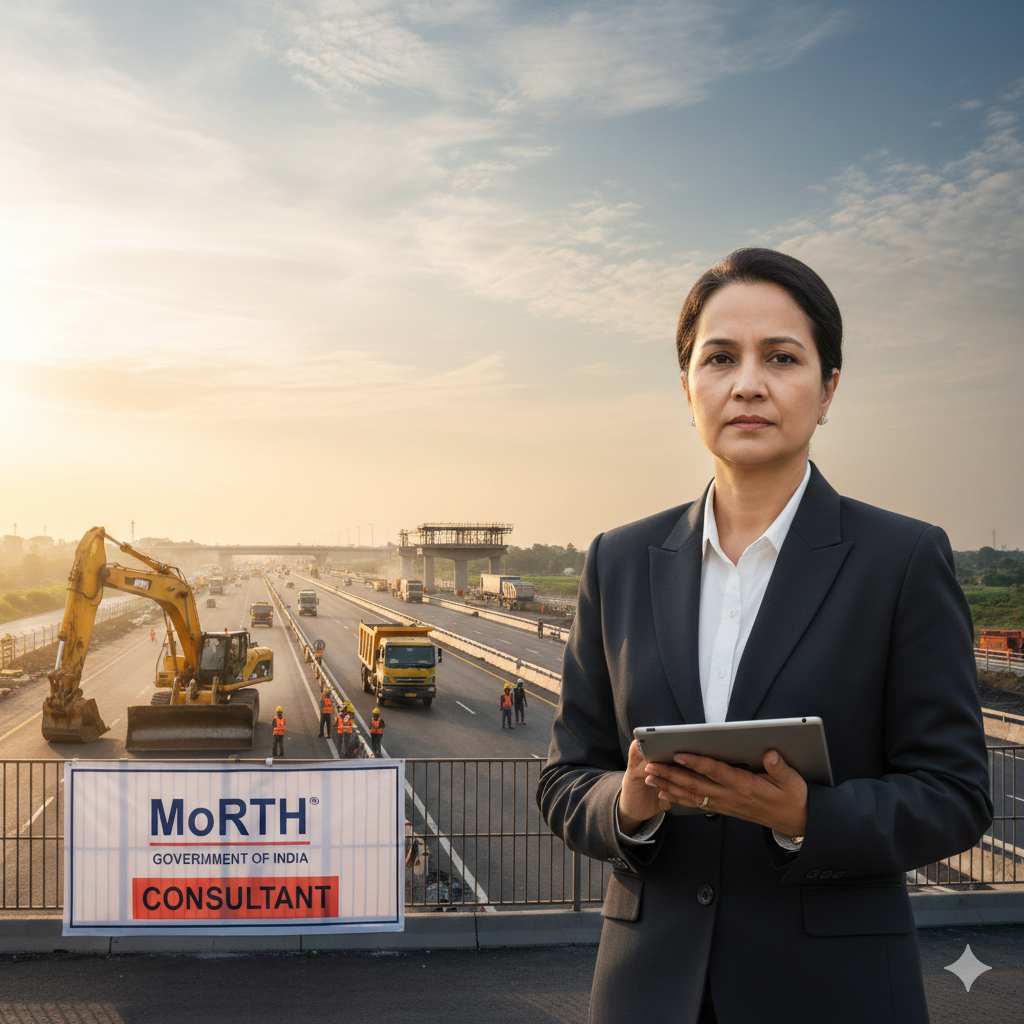
India is growing fast, and with that growth comes a great need for better roads. These roads help people travel safely and goods move quickly. But building good roads isn’t easy. It needs a special kind of expert: MoRTH highway design consultants. These highly specialized firms and experts are crucial for planning, designing, and executing highway and road infrastructure projects, especially in the Indian context.
Their primary focus is clear: to ensure the development of safe, efficient, and sustainable road networks. They work hard to make sure every new road strictly follows the important rules and standards set by the Ministry of Road Transport and Highways (MoRTH) in India. These highway design firms take big ideas for roads and turn them into detailed plans that are ready to be built. They make sure everything is compliant and built to last.
The Critical Role and Importance of MoRTH Highway Design Consultants
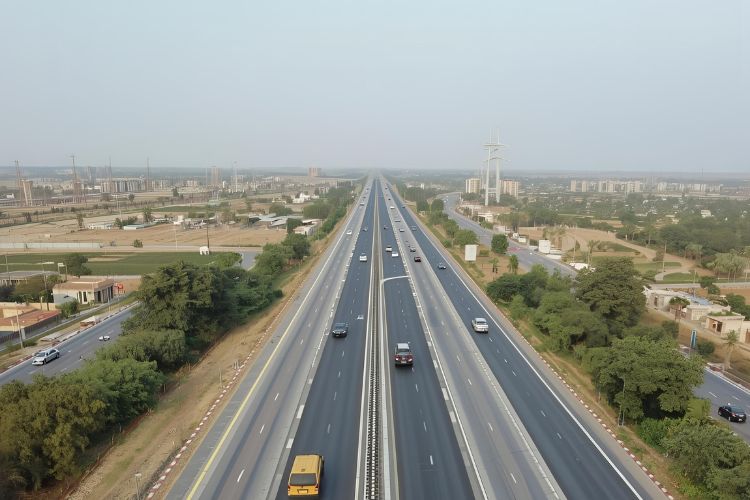
India is experiencing a rapid boom in infrastructure development. This means building many new highways, bridges, and tunnels to connect cities and villages. Creating these modern highways comes with many complex challenges. You have to think about the land, the environment, how many cars will use the road, and how to keep everyone safe. This is where MoRTH highway design consultants become incredibly important.
These expert highway design firms are pivotal in taking the visions for big road projects and turning them into actionable, compliant designs. They make sure that what is planned on paper can actually be built well and safely. They play a vital role in ensuring top quality, ultimate safety, and strict legal adherence throughout every single stage of highway development. This starts from the very first idea and goes all the way to the final construction. Their specialized skills in creating complex road networks are so good that they are often recognized globally, meaning their expertise can extend beyond national borders. These road alignment consultants are truly the backbone of modern road building.
Key Specializations and Comprehensive Services Offered by Highway Design Firms
Building a highway is a massive undertaking. It’s not just about laying down asphalt. It involves many different kinds of expert work. That’s why highway design firms specializing in MoRTH projects offer a comprehensive set of services. They cover everything needed to make a road project successful. Let’s look at their special skills.
1. Road Alignment Consultancy: Crafting the Optimal Path
Think of road alignment consultants as the master planners who decide exactly where a road should go. They are crucial experts for finding the best horizontal and vertical geometry for roads. This means figuring out the best path across the land, both from side to side and up and down.
They look at many important things very carefully:
- Terrain: They study the shape of the land. Is it flat? Are there hills, mountains, or valleys? Are there rivers or lakes? They analyze these geographical features and topography to find a path that avoids big obstacles or makes them easier to cross. This helps to avoid expensive cutting into hills or filling valleys.
- Environmental Impact: Building a road can affect nature and local communities. Consultants assess and work to lessen any bad effects on plants, animals (ecosystems), and the people who live nearby. They try to protect natural areas and minimize disturbance.
- Land Acquisition Requirements: When a new road is built, land often needs to be bought from people. The consultants try to choose a path that minimizes taking too much private land and optimizes how the land is used. This helps to avoid displacing many homes or businesses.
- Projected Traffic Flow: They don’t just think about how many cars are on the road today. They predict how much traffic there will be in the future, including different types of vehicles like cars, trucks, and buses. They design the road to handle these current and future traffic volumes safely and efficiently.
- Cost-effectiveness: Building roads costs a lot of money. These highway design firms balance the money needed to build the road at first with the money it will cost to keep it in good shape later. They aim for designs that are affordable to build and also affordable to maintain over many years.
To achieve the most optimal and sustainable path for a highway, these experts leverage advanced surveying tools. This includes technology like LiDAR, which uses laser lights to create very detailed maps of the ground, and GPS, which uses satellites to pinpoint exact locations. They also use sophisticated computer modeling techniques. Tools like BIM (Building Information Modeling) and CAD (Computer-Aided Design) software help them create detailed 3D models and plans, allowing them to see how the road will look and function before any dirt is even moved. These advanced methods ensure the road is placed in the best possible location.
2. Geometric Design Expertise: Ensuring Safety, Comfort, and Efficiency
Once the general path of the road is chosen, geometric design experts step in. These professionals focus on the shapes and measurements of the road itself. Their work directly impacts how safe and comfortable drivers feel, and how smoothly traffic flows on highways. They are key members of highway design firms ensuring every detail is correct.
Their critical work involves several important elements:
- Horizontal Curves: These are the turns in a road. Experts design curves with the right radii (how wide the curve is) and smooth transitions. If a curve is too sharp, it can be dangerous. The design ensures cars can take turns safely and comfortably at typical speeds.
- Vertical Curves: Roads don’t always stay flat. They go up and down hills. Vertical curves are the smooth changes between different slopes (gradients). Imagine going over a hill; a well-designed vertical curve makes the ride smooth, not bumpy or jarring.
- Gradients (Slopes): This refers to how steep a road is. Designers determine the maximum and minimum slopes. A road can’t be too steep because it would be hard for vehicles, especially heavy trucks, to climb. It also can’t be too flat because water needs to drain off the road.
- Sight Distances: This is super important for safety. Geometric design experts calculate the minimum distances a driver needs to see ahead to react safely to obstacles, other cars, or road changes. This includes:
- Stopping Sight Distance: How far a driver can see to stop safely if something suddenly appears in the road.
- Passing Sight Distance: How far a driver needs to see to safely overtake another vehicle on a two-lane road.
Ensuring enough sight distance prevents many accidents.
- Super-elevation (Banking): On curves, the road surface is often tilted slightly. This is called banking or super-elevation. It helps cars go around turns more easily by counteracting the force that tries to push them off the road (centrifugal force). This improves both safety and driver comfort, especially at higher speeds.
- Optimal Lane Configurations: This involves deciding how many lanes a road should have, how wide each lane should be, and what other types of lanes are needed. This includes shoulders (the side part of the road where you can stop in an emergency) and auxiliary lanes (extra lanes for things like turning or slowing down). The correct configuration ensures efficient traffic flow and space for all road users.
It’s vital that all this work strictly follows MoRTH specifications. These are detailed rules and guidelines found in documents like the Indian Road Congress (IRC) codes. Following these rules is fundamental in ensuring the absolute user safety, comfort, and smooth operation of the highways for many years to come.
3. Broader Design and Planning Services for Holistic Projects
Beyond just figuring out the road’s path and its precise shape, specialized highway design firms integrate a range of other critical services. This ensures that the entire project plan is holistic, meaning it’s complete and well-rounded, covering all necessary aspects. These MoRTH design consultants look at the whole picture.
Here are some of these additional services:
- Comprehensive Pavement Design: The pavement is the actual surface drivers use. Consultants determine the best type of road surface (like asphalt or concrete), how thick it needs to be, and what materials should be used. This decision is based on how many and what types of vehicles will use the road (traffic loads) and the local weather conditions (environmental conditions). A strong, durable pavement design prevents cracks and potholes.
- Innovative Drainage Solutions: Water is an enemy of roads. If water sits on a road or underneath it, it can cause a lot of damage, like erosion and structural problems. Designers create smart systems to effectively manage both surface water (rain on the road) and subsurface water (water under the road). This includes designing culverts (pipes under the road), drains, and channels to carry water away quickly and safely.
- Thorough Traffic Impact Assessments (TIA): Before a new road or a major road improvement is built, these assessments are carried out. They analyze how the new or improved roads will affect existing traffic patterns in the area. Will it cause more congestion somewhere else? Will it make certain areas harder to reach? The consultants then suggest ways to fix or lessen any negative impacts (mitigation strategies).
- Detailed Design of Bridges and Culverts: When a road needs to cross over a river, a valley, or another road, bridges and larger culverts are needed. This service involves the structural design for these crossings. It ensures they are strong enough to carry the road and the traffic safely, and that they can withstand natural forces like floods or earthquakes.
- Feasibility Studies: Before a lot of money is spent, a feasibility study is conducted. This evaluates if a project is a good idea. It checks the economic viability (will it be worth the money?), technical viability (can it actually be built?), and environmental viability (will it harm the environment too much?). These studies help decide if a project should move forward with significant investment.
Indispensable Value and Benefits of Engaging MoRTH Design Consultants
Engaging specialized MoRTH design consultants brings incredibly important advantages to any infrastructure project. They are not just an expense; they are an investment that pays off in many ways. Their expertise ensures that India’s road development is top-notch.
Let’s explore the critical benefits:
- Ensuring Compliance & Quality:
- These consultants are experts in Indian road rules. They guarantee that all road projects meet the stringent national standards and specifications set by MoRTH and the Indian Road Congress (IRC). This is extremely important because it significantly reduces risks of things going wrong, avoids legal problems (liabilities), and prevents costly rework after construction begins. When a project is compliant, it means it’s built right the first time according to all the necessary regulations.
- Optimizing Safety & Efficiency:
- Their specialized knowledge, especially in areas like geometric design and road alignment, directly leads to better, safer roads for everyone who uses them. This means fewer accidents and smoother, more efficient traffic flow. When roads are designed well, congestion is reduced, and travel times become shorter. This makes daily commutes easier and allows goods to be transported more quickly, boosting the economy. These road alignment consultants and geometric design experts are literally saving lives and time.
- Cost-Effectiveness & Sustainability:
- Through their comprehensive and holistic design approach, these consultants help projects use resources in the best possible way. This smart planning leads to reduced construction costs because waste is minimized, and there’s less need for expensive rework. Furthermore, they promote the long-term sustainability of the infrastructure. They do this through durable designs that last longer and by carefully considering environmental factors in their plans. This means roads are not only cheaper to build and maintain but also kinder to the planet.
- Risk Mitigation:
- One of the biggest advantages of involving these consultants early in the design phase is their ability to spot and deal with potential problems before they become big, expensive issues. They can identify challenges like unexpected terrain difficulties or environmental concerns at the very beginning. By proactively addressing these, they minimize costly delays and prevent major problems from cropping up during the construction phase. This forward-thinking approach saves both time and money.
Choosing the Right MoRTH Highway Design Consultant
Selecting the right MoRTH highway design consultant is a critical decision for any road infrastructure project. The success of the project often hinges on the expertise and reliability of the chosen firm. Here are key factors to consider when making this important choice:
- Extensive Experience with MoRTH Projects: This is perhaps the most important factor. You must look for firms that have a proven track record of successfully completing many projects that strictly adhere to MoRTH guidelines and standards. Their experience shows they understand the unique challenges and requirements of Indian road projects. They should be familiar with all relevant MoRTH specifications and IRC codes.
- Proven Track Record: Don’t just take their word for it. Ask to review a portfolio of their successful projects. Look at case studies that show how they solved problems and achieved good results. Client testimonials can also give you insights into their professionalism and the quality of their work. A strong history of achievements means reliability.
- Expert Team Composition: The firm is only as good as its people. Ensure that the team proposed for your project comprises highly qualified and experienced professionals. This specifically includes specialized geometric design experts who can make roads safe and efficient, and skilled road alignment consultants who can find the optimal path. The team should have certified engineers and specialists in various fields relevant to highway design.
- Advanced Technological Capabilities: Modern highway design relies heavily on cutting-edge technology. Assess their use of modern software, which greatly improves efficiency and precision. This includes programs like Civil 3D, MXROAD, and GIS (Geographic Information Systems) for planning and mapping. Also, check their use of advanced surveying equipment (like LiDAR and GPS) and BIM (Building Information Modeling). BIM, for example, allows for detailed 3D models that help visualize the entire project and coordinate different design aspects.
- Commitment to Innovation: The world of engineering is always evolving. Seek firms that demonstrate an ability to incorporate sustainable practices and innovative solutions in highway design. This might include using eco-friendly materials, designing for climate change resilience, or implementing smart road technologies. An innovative approach can lead to more durable, cost-effective, and environmentally responsible infrastructure.
Conclusion
In the grand narrative of India’s development, MoRTH highway design consultants stand as cornerstone partners. They are absolutely vital in the continuous development and improvement of the nation’s critical road infrastructure. These expert highway design firms bring a level of specialized knowledge and dedication that is indispensable for modern road building.
Their core value lies in providing unparalleled specialized knowledge and ensuring strict adherence to national standards. This guarantees the creation of world-class, safe, and highly efficient highways that benefit everyone. Through their meticulous planning, innovative design, and unwavering commitment to quality, these consultants are not just building roads; they are laying the very foundation for a more connected and prosperous future for India.
Frequently Asked Questions
- What is the primary role of MoRTH highway design consultants?
- What specialized services do highway design firms offer?
- Why is geometric design important for highways?
- What are the benefits of engaging MoRTH design consultants?
- What factors should be considered when choosing a highway design consultant?
What is the primary role of MoRTH highway design consultants?
Their primary role is to plan, design, and oversee the execution of highway and road infrastructure projects in India. They ensure that all developments adhere to the stringent rules and standards set by the Ministry of Road Transport and Highways (MoRTH), focusing on safety, efficiency, and sustainability.
What specialized services do highway design firms offer?
These firms offer a comprehensive range of services including road alignment consultancy (crafting optimal paths), geometric design expertise (ensuring safety and comfort), pavement design, innovative drainage solutions, traffic impact assessments (TIA), detailed design of bridges and culverts, and feasibility studies for holistic project planning.
Why is geometric design important for highways?
Geometric design is crucial because it directly impacts the safety, comfort, and efficiency of highways. It involves designing elements like horizontal and vertical curves, gradients, sight distances, and super-elevation to ensure smooth traffic flow, reduce accidents, and provide a comfortable driving experience at various speeds.
What are the benefits of engaging MoRTH design consultants?
Engaging these consultants brings several benefits: it ensures strict compliance with national standards (reducing risks and liabilities), optimizes safety and efficiency (leading to fewer accidents and smoother traffic), offers cost-effectiveness (through smart planning and durable designs), and provides robust risk mitigation by identifying and addressing potential problems early.
What factors should be considered when choosing a highway design consultant?
When selecting a consultant, consider their extensive experience with MoRTH projects, their proven track record and portfolio, the expertise and qualifications of their proposed team (especially geometric design experts and road alignment consultants), their advanced technological capabilities (e.g., use of Civil 3D, BIM, LiDAR), and their commitment to innovation and sustainable practices.