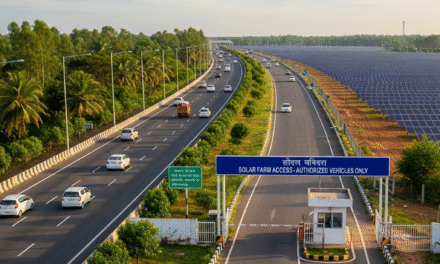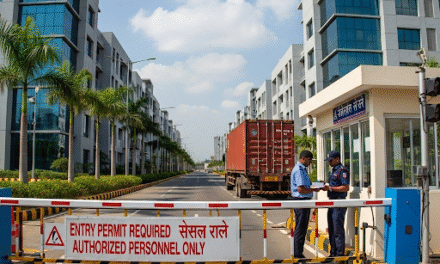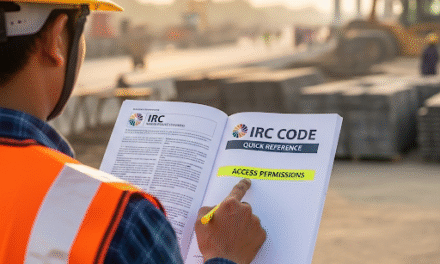
One of the most critical financial planning questions for any highway-adjacent project is: “What are the official government fees for securing access permission?” The answer is not always straightforward, as the fees can vary significantly based on the type of highway, the nature of the property, and the specific state you are in.
While a precise number requires checking the latest official orders, this guide will explain the structure of these fees, the key factors that influence the cost, and how to find the most current information for your project budget.
The Primary Cost: The License Fee
The main government fee you will pay is a one-time license fee. This is not a tax, but a fee paid to the highway authority (NHAI or the State PWD) in exchange for the privilege of creating a private access onto public highway land.
This fee is determined by the policies set by the Ministry of Road Transport and Highways (MoRTH) for National Highways and by the respective State Governments for State Highways.
Key Factors That Determine the License Fee
The fee is not a flat rate. It is calculated based on several key factors, making some locations significantly more expensive than others.
1. Highway Type and Width (The Most Important Factor): The commercial value and traffic volume of a highway are its biggest attributes. Therefore, the fees are structured accordingly:
- Expressways: Highest fee category.
- 4-Lane or 6-Lane National Highways: High fee category.
- 2-Lane National Highways: Medium fee category.
- State Highways: Fees are set by the state and are often, but not always, lower than for National Highways.
2. Location: Urban vs. Rural Areas: The commercial potential of the land plays a major role.
- Urban or Semi-Urban Areas: Land within or near municipal limits will command a much higher license fee than land in a rural, undeveloped area.
- Proximity to Major Cities: The closer your property is to a major metropolitan city, the higher the fee is likely to be.
3. Type of Property: The fee structure is also differentiated based on the purpose of the access.
- Private Properties (for personal use): These typically have the lowest fees.
- Commercial Properties (Hotels, Malls, Warehouses): These have a standard commercial fee.
- Fuel Stations: These often have their own specific fee category, which is always in the commercial bracket.
NHAI Fees vs. State PWD Fees
It’s crucial to know who controls your road.
- National Highways (NH): For any road with an “NH” number, the fees are set by MoRTH/NHAI and are uniform across the country for that category of road. You can find the latest fee structures in the official circulars published on the MoRTH website.
- State Highways (SH) and Major District Roads (MDR): For these roads, the power to set and collect fees rests with the individual State Government’s Public Works Department (PWD) or Roads Department. This means the fee for access to a State Highway in Punjab might be different from one in Maharashtra. You must refer to the official gazette notifications or orders from that specific state government.
Where to Find the Official Fee Structures?
Official fee schedules are public documents, but they are not always easy to find.
- For National Highways: The most reliable source is the “Circulars” section of the MoRTH website. Search for circulars related to “access permission” or “license fees.”
- For State Highways: You will need to visit the official website of your state’s PWD or Transport Department. The information is often contained in a Government Order (G.O.).
- Your Consultant: An experienced local consultant is your best resource. They will be aware of the current fee structures for both NHAI and the state PWD in your specific area and can provide you with the correct figures for your budget.
Conclusion:
Budgeting for government fees is a critical part of your project’s financial plan. While the exact amount can vary, understanding the factors that influence the cost—road type, location, and property use—allows you to make a realistic estimate. Always ensure you are working with the latest official figures to avoid any last-minute financial surprises during the approval process