
Estimated reading time: 10 minutes
Key Takeaways
- MoRTH PMC consultants are indispensable partners in India’s ambitious road infrastructure development.
- They manage complex project lifecycles, from planning and design review to quality control and construction supervision.
- PMCs drive efficiency, enhance quality, ensure timeliness, mitigate risks, and optimize costs for highway projects.
- Opportunities for PMC firms are primarily secured through competitive MoRTH PMC tenders advertised on platforms like CPPP and official MoRTH/NHAI websites.
- Key services include Detailed Project Report (DPR) preparation, feasibility studies, construction supervision, and environmental impact assessments.
- Selecting the right consultant requires evaluating their experience with MoRTH, technical expertise, track record, and understanding of local regulations.
- The future of road infrastructure consulting will see increased integration of digitalization, sustainability practices, and complex project financing models.
Table of Contents
- The Vital Role of MoRTH PMC Consultants in India’s Road Infrastructure Journey: Navigating Tenders and Ensuring Project Success
- Key Takeaways
- Understanding MoRTH PMC Consultants and Their Mandate
- The Crucial Role of PMC Firms for MoRTH Projects
- Navigating MoRTH PMC Tenders: Opportunities and Process
- Key Services Offered by Top MoRTH PMC Consultants
- Choosing the Right MoRTH PMC Consultant for Your Project
- The Future Landscape for MoRTH PMC Consultants and Road Infrastructure
- Conclusion & Call to Action
- Frequently Asked Questions
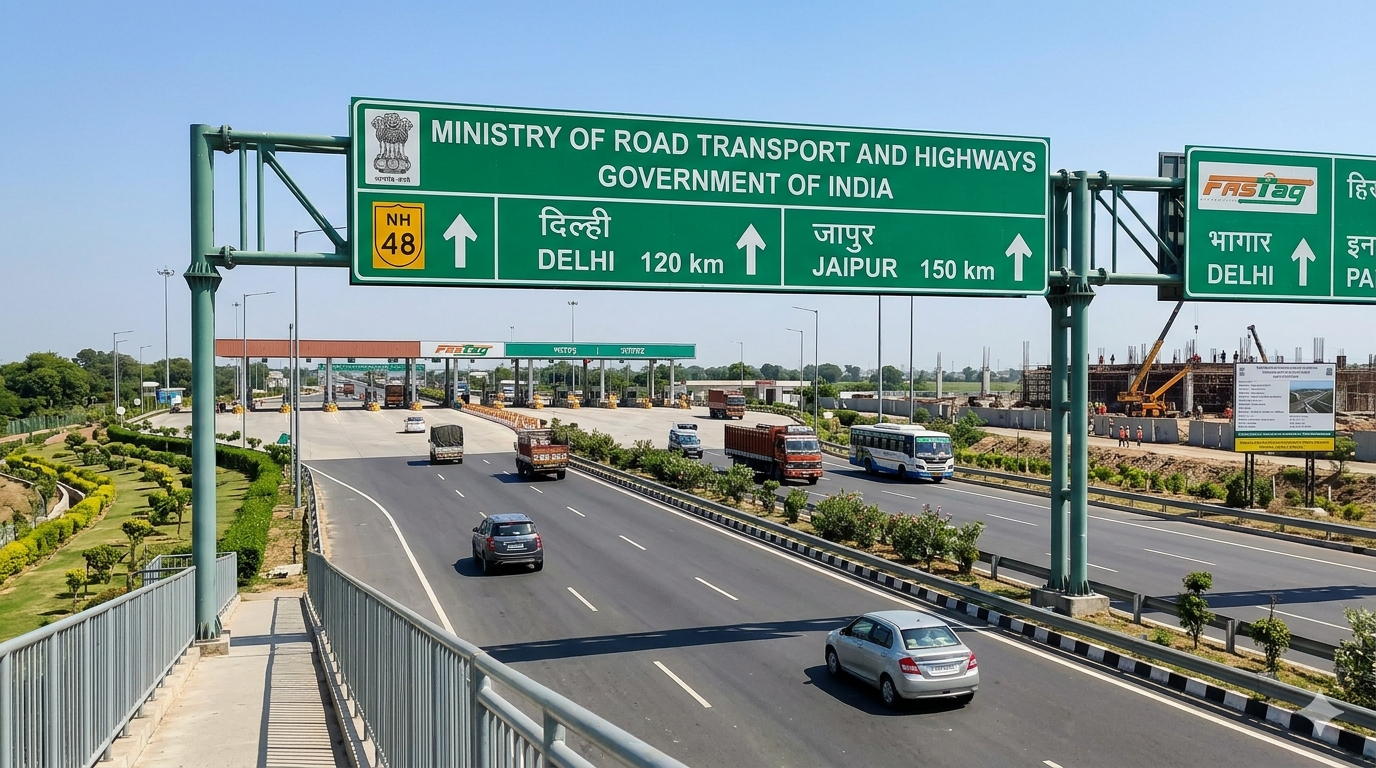
India is building roads faster than ever before. This is a huge effort to create world-class roads across the country. Think of big projects like the Bharatmala Pariyojana, which is helping connect many parts of India. These projects are a big part of the National Infrastructure Pipeline (NIP), aiming to boost the nation’s growth.
Building these massive road networks is not easy. There are many complex tasks involved. For example, buying land for roads can be tricky. Getting permission to build, especially to protect nature, is also a big step. Finding enough money and making sure the work is done well and on time are also huge challenges.
This is where MoRTH PMC consultants become so important. The Ministry of Road Transport and Highways (MoRTH) and its partners, like the National Highways Authority of India (NHAI) and National Highways & Infrastructure Development Corporation Ltd (NHIDCL), need special help. They rely on outside experts to guide them through these many challenges. These Project Management Consultants (PMCs) act like extra arms for the government. They bring special skills and knowledge. They help from the very start of a road idea to the very end when the road is ready to use. Their main job is to keep projects moving smoothly. They make sure the work is of high quality, finished on time, and stays within budget.
The government keeps pushing for ‘infra-led growth,’ which means using infrastructure to grow the country’s economy. This means there will always be a big need for skilled project management consultants for roads. These experts are key to building roads worth billions of rupees, which are vital for India to become stronger and more connected.
Source: MoRTH official statements, NITI Aayog reports on infrastructure, PwC industry analyses
Understanding MoRTH PMC Consultants and Their Mandate
Let’s get a clearer picture of who MoRTH PMC consultants are and what they do. These consultants are independent expert companies or groups of experts. MoRTH or its agencies hire them to provide expert help. They offer special project management and technical checking services for road and highway projects all across India.
Their job is very important and covers many areas. Mostly, they make sure the main goals of a project are met. These goals include finishing the project on time, staying within the planned cost, keeping the quality high, and ensuring everything in the project plan is covered. They do all this on behalf of their client, which is MoRTH or NHAI.
Here are the main types of services these road project consultants offer within MoRTH’s system:
- Planning & Scheduling: This means creating a very detailed timeline for the project. They also plan out all the resources needed, like people, machines, and materials. They think ahead about possible problems and plan how to fix or avoid them before they cause trouble. This includes looking at risks and making plans to manage them.
- Design Review: Engineering designs are often made by other companies. MoRTH PMC consultants carefully check these designs. They make sure the designs follow MoRTH’s rules (for example, what kind of road materials to use or how to build things). They also check if the designs meet Indian Road Congress (IRC) standards, which are national rules for road building. They assess if the designs are practical to build, aiming to prevent problems when construction starts.
- Quality Control & Assurance: This is a very important part of their work. PMCs put strong systems in place to manage quality. They do regular and detailed checks. They test materials in special labs. They make sure that all building work and finished parts strictly follow the engineering rules and plans. This ensures that every part of the highway project meets high standards.
- Supervision: PMCs watch over all the construction work very closely. They constantly check if the work is moving ahead according to the schedule. If they see that things are not going as planned or not meeting standards, they quickly suggest ways to fix them. This helps keep the project on track.
- Contract Management Support: They give important help to the client in many parts of managing contracts. This includes carefully looking at claims from the construction companies. They also help settle disagreements, protecting the government’s interests.
Source: MoRTH Standard Bidding Documents (SBDs) for Consulting Services, General Conditions of Contract (GCC) for Consulting Services, NHAI Guidelines
The Crucial Role of PMC Firms for MoRTH Projects
PMC firms for MoRTH projects bring a lot of special knowledge that government departments often don’t have inside their own teams. This might be because the government staff are already very busy, or because projects are so different, or simply because very specific technical skills are needed. These infrastructure consulting firms fill that gap.
These highway development partners make very important contributions to road building:
- Ensuring Efficiency: They make project steps simpler and smoother. They use people, machines, and materials in the best possible ways. They also use the best methods from the construction industry to get the most work done and avoid wasting anything. This helps make sure road development is fast and effective.
- Enhancing Quality: These firms make sure quality checks are very strict at every step. This includes making sure building materials meet the required standards. They also ensure that building methods follow detailed plans, like the MoRTH Specifications for Road & Bridge Works and IRC codes. This strong focus on quality directly helps the roads last longer, stay safe, and work well for many years.
- Ensuring Timeliness: PMCs watch closely and spot possible delays early. Then, they suggest and put in place smart ways to avoid these delays. This quick action is key to finishing projects on time. Finishing on time helps avoid huge extra costs that often happen when projects are delayed.
These project management consultants for roads also help in other critical ways:
- Risk Mitigation: They are skilled at finding all kinds of risks. These can be technical risks (like unexpected ground conditions), money risks, nature risks, community risks, or contract risks. They then create full plans to stop or lessen the bad effects of these risks. This includes looking closely at the ground, guessing how much traffic there will be, and making sure all rules are followed. This proactive risk assessment and mitigation helps keep the project safe.
- Cost Optimization: PMCs use smart ways to get the best value for money. They give expert advice on how to buy things efficiently. They also carefully watch all spending. This helps to keep the total project costs down without ever making the quality of the work any less. This is called value engineering.
- Adherence to Guidelines: They make sure all MoRTH rules are followed strictly. This includes rules about protecting nature (like forest clearance or rules for areas near the coast). They also follow land buying rules and very important safety rules. Following these rules carefully reduces legal problems, money risks, and harm to the government’s good name.
Source: Case studies on infrastructure project delays (e.g., reports by Ministry of Statistics and Programme Implementation – MOSPI), performance reviews of NHAI projects, industry whitepapers
Navigating MoRTH PMC Tenders: Opportunities and Process
MoRTH PMC tenders are formal competitions. MoRTH or its various building agencies (like NHAI, NHIDCL, or even State Public Works Departments for schemes funded by the central government) announce these. They ask skilled consulting firms to send in their plans. The goal is to hire special project management and supervision services for their many different road projects. These tenders are the main way for PMC firms for MoRTH projects to get involved in big national development work. They offer major road construction bid opportunities.
So, where can you find these important announcements?
- The best and most complete place to look is the Central Public Procurement Portal (CPPP), which is at
eprocure.gov.in. This website is run by the National Informatics Centre (NIC). It lists tenders from many government ministries and departments, including MoRTH. - Also, the official websites of MoRTH (
morth.nic.in) and NHAI (nhai.gov.in) have special “Tender” sections. These sections provide direct links to the relevant announcements for highway project bids. - Other industry websites and special magazines also share this information, but CPPP is always the official source for government contract opportunities.
These tenders are important for a few reasons:
- For the groups giving out the work (MoRTH/NHAI), tenders make sure everything is clear and fair. They also encourage many companies to compete, which helps them choose the best and most capable firms for key projects.
- For consulting firms, these tenders are great chances to help build India’s roads and improve their own company’s experience and reputation.
Here is a simple look at the usual tender process:
- Expression of Interest (EOI)/Request for Qualification (RFQ): This is often the first step. The client asks firms to show their general skills and past work. This helps them make a short list of qualified firms that can then take part in the main bidding process.
- Request for Proposal (RFP)/Notice Inviting Tender (NIT): This is the most important document. It is very detailed and explains everything about the project. It tells what services the PMC needs to provide, what strict rules bidders must meet, what must be included in the proposals, and exactly how the bids will be judged.
- Bid Submission: Qualified firms prepare and send in two separate proposals:
- Technical Proposal: This shows how the firm plans to do the work. It includes information about the people who will work on the project and their skills, past projects they’ve done, and how well they understand the project’s specific challenges.
- Financial Proposal: This lists the cost the firm is asking for to provide its consulting services.
- Often, a “two-envelope system” is used. This means the technical bids are opened and checked first to make sure the firm has the right skills. Only after that are the financial bids considered.
- Evaluation:
- Technical Evaluation: Here, they check the firm’s experience, how strong their proposed plan is, the skills of the people they will use, and how well they understand the project. A certain minimum score on the technical side is almost always needed to go further.
- Financial Evaluation: Only the money bids from firms that passed the technical check are opened. These are then judged, often using a method called Quality- and Cost-Based Selection (QCBS). In QCBS, both the quality of the technical plan (for example, 80% of the score) and the cost (for example, 20% of the score) are given specific importance to find the best firm.
- Award: The company that wins, having met all technical needs and offered the best plan at a good price, is officially given the contract.
PMC firms for MoRTH projects looking for these tenders should focus very hard on building a strong and proven record in road projects. They must hire and keep highly skilled staff. This includes special engineers, experienced project managers, environmental experts, and financial experts. Understanding MoRTH rules and guidelines very well is super important. Preparing all bid documents carefully, making sure everything is correct and complete, is also key. This helps avoid common mistakes in NHAI bids. Showing past work, especially on similar road projects or with NHAI/MoRTH, greatly helps a firm win. This helps project management consultants for roads get valuable work.
Source: Government of India’s Central Public Procurement Portal (CPPP), MoRTH/NHAI official websites (tenders section & NHAI tenders), specific tender documents (Request for Proposal – RFP, Notice Inviting Tender – NIT)
Key Services Offered by Top MoRTH PMC Consultants
Leading MoRTH PMC consultants offer many different and important services. These services are key to making sure a project is successful. Let’s look at some of them:
- Detailed Project Report (DPR) Preparation and Review: DPRs are full reports that cover all the technical, money, economic, and environmental parts of a project. PMCs often do two things here: they either create new DPRs (especially for new projects or big expansions) or they carefully check DPRs made by other consultants. Their check aims to find any missing parts, mistakes, or ways to make things better. This ensures the report perfectly matches MoRTH rules and the best engineering practices.
- Feasibility Studies and Technical Assessments: This means checking if a proposed project can actually be built and is worth doing. PMCs look at different ways to build the road, guess how much traffic there will be, find good places for materials, and check various technical ideas. All this ensures the project makes sense financially and can be built.
- Construction Supervision and Quality Assurance: This is often the main job for many PMCs. It requires sending a team of engineers, skilled quality control experts, and certified lab technicians to the construction site every day. They constantly watch the building work. They make sure everything follows the approved drawings and plans. They regularly test materials (like checking if the soil is packed tightly or if the concrete is strong). They also officially confirm the work done for payments. This ensures projects by project management consultants for roads meet very high standards.
- Contract Management and Dispute Resolution: PMCs give expert help to the client in understanding complicated contract rules. They also help manage changes in the project plan, look at and process requests for more time to complete work, and give expert advice when there are arguments or disagreements. Their help reduces legal trouble and money risks for MoRTH.
- Environmental and Social Impact Assessments (ESIA): These are detailed studies to find all the possible effects a project might have on nature and on people. This includes making full plans to lessen bad effects (for example, on animals, noise, or air quality). They also make sure all national and international environmental rules are followed (like the Forest (Conservation) Act, 1980) and that plans for helping affected communities are carried out.
- Safety Auditing and Compliance: This involves setting up and strictly checking strong safety rules on construction sites. They do regular safety checks, find dangers, fix problems, and make sure all rules for health and safety at work are always followed (like rules from the Building and Other Construction Workers Act, 1996). This is super important because building roads can be quite risky.
Source: Typical Scope of Work sections in MoRTH/NHAI RFP documents, consulting firm service portfolios
Choosing the Right MoRTH PMC Consultant for Your Project
Picking a MoRTH PMC consultant is a very important choice. It can greatly affect whether a road project will succeed or fail. It’s much more than just picking the cheapest option. It’s about finding the right partner for your road infrastructure project.
Here’s some helpful advice for government groups and project builders on what to look for:
- Experience with MoRTH Projects: It’s super important that the firm has direct and proven experience with MoRTH, NHAI, or similar national highway projects. This shows they know MoRTH’s special rules, common ways of working, government needs, and the specific challenges of building roads in India.
- Technical Expertise: The firm must have many highly skilled experts in different key areas. This includes highway design, bridge building, road surface technology, traffic planning, environmental science, and contract law. Look for professionals with proper certificates and a clear record of successfully completing projects. This includes understanding the process to get empanelled as an NHAI consultant. This ensures the chosen project management consultants for roads can handle all the complex technical parts.
- Track Record: Carefully check the firm’s past work. This means seeing if they have finished previous projects successfully (on time, within budget, and to the right quality). Look for good comments from past clients and make sure they haven’t had big arguments or legal problems.
- Understanding of Local Regulations: A deep and clear understanding of Indian laws is key. This includes knowing land buying laws (like the RFCTLARR Act, 2013), how to get environmental permissions, local working conditions, and cultural feelings. All these are vital for building roads smoothly.
- Financial Stability and Resources: Check if the consulting firm has enough money and staff. This is to make sure they can put together and keep the needed project team for the whole time the project runs, even if unexpected things happen. This confirms they are strong PMC firms for MoRTH projects.
It is very important to do your homework. Call past clients to check references. Carefully check the qualifications and certificates of all the main people they suggest for the project team. Look closely at the firm’s plans to make sure they offer a practical, strong, and new way to manage the project. If possible, visit projects they have worked on before. This can give you very useful insights into how well they actually get things done.
Source: Industry best practices, procurement guidelines, expert opinions from infrastructure development forums
The Future Landscape for MoRTH PMC Consultants and Road Infrastructure
India has big goals to make its road network much longer and improve the quality of existing roads. For example, the government aims to build a certain length of road every single day. This strong commitment, along with new technologies and clever ways to deliver projects (like the Hybrid Annuity Model (HAM) and Build-Operate-Transfer (BOT) models), means a strong and growing future for project management consultants for roads. The need will also grow for experts in new areas.
Future road projects will increasingly focus on new ideas and working smartly:
- Digitalization: More and more, projects will use Building Information Modeling (BIM) for design and teamwork. Geographic Information Systems (GIS) will manage location data. Drones will quickly collect data and check progress. Artificial Intelligence (AI) and data analysis will help guess how well things will work and manage risks. MoRTH PMC consultants will need to use these advanced tools in their work. This is the future of smart infrastructure.
- Sustainability: There will be a greater focus on building “green highways.” This includes using recycled materials in roads (like plastic waste) and designing roads that can handle extreme weather. Energy-saving building methods will also be key. PMC firms for MoRTH projects that know about building sustainable infrastructure will be in high demand.
- Complex Project Financing: Projects will rely more on different ways to get money and on Public-Private Partnership (PPP) models. This means PMCs will need special skills in planning finances, understanding complicated risk sharing, and being good at negotiating contracts for these complex deals.
- Safety Enhancements: There will be a continuous and stronger focus on doing careful road safety checks. Also, advanced safety features will be added in design and construction to lower the number of accidents and make roads safer for everyone who uses them.
Source: Government targets (e.g., road construction pace), technological trends in construction (e.g., BIM, drone surveys, AI in project monitoring), sustainability initiatives by MoRTH (e.g., green highways policy)
Conclusion & Call to Action
To finish, let’s remember that MoRTH PMC consultants are much more than just companies offering services. They are vital and strategic partners. Their knowledge is absolutely essential for India to achieve its big dream of having a world-class road network. Their hard work makes sure that projects are always delivered with the best quality, maximum efficiency, and strictly on time and within the planned money. This helps drive great economic growth and connects our nation better.
Are you a project owner or government agency embarking on a new road initiative under MoRTH? To ensure the seamless execution and guaranteed success of your next project, partnering with an experienced and reputable MoRTH PMC consultant is not just beneficial—it’s crucial. Contact us today to discuss how our unparalleled expertise in project management consultants for roads services can transform your project vision into a tangible, successful reality.
Are you among the leading PMC firms for MoRTH projects actively seeking new opportunities to contribute to India’s infrastructure development? Stay informed and ahead of the curve by monitoring upcoming MoRTH PMC tenders regularly. Explore how strategic collaborations and innovative service offerings can significantly enhance your competitive edge and expand your portfolio in this dynamic and growing sector.
Frequently Asked Questions
What is the primary role of MoRTH PMC consultants?
MoRTH PMC consultants provide expert project management and technical supervision for road and highway projects, ensuring quality, timeliness, and budget adherence on behalf of government agencies like MoRTH and NHAI.
Where can PMC firms find MoRTH tender opportunities?
Official MoRTH PMC tenders are primarily published on the Central Public Procurement Portal (CPPP – eprocure.gov.in), and also on the official websites of MoRTH (morth.nic.in) and NHAI (nhai.gov.in) in their dedicated “Tender” sections.
What key factors should be considered when choosing a MoRTH PMC consultant?
Key factors include direct experience with MoRTH/NHAI projects, comprehensive technical expertise across various engineering disciplines, a proven track record of successful project delivery, a strong understanding of local regulations, and financial stability to sustain project teams.
How do PMCs contribute to project efficiency and quality?
PMCs contribute by streamlining project processes, optimizing resource utilization, implementing stringent quality control measures, conducting regular material testing, ensuring adherence to engineering standards and specifications, and proactively managing risks to deliver durable and high-performing infrastructure efficiently.